In my previous school district, I was the only teacher teaching a physics course with set, district-wide learning outcomes. These same outcomes were also taught in physics classrooms at the other high school in our district. But at our school, I was one of the 2 physics teachers. The other teacher taught the AP-level physics courses. So, in many ways, I had opportunities to incorporate strategies I believed were best for learners and that I found worked best for them without being seen as out of alignment with anyone in our building. My amazing friend and one of my teaching philosophy goddesses, Katie Novak, stated the following misconception about alignment: All teachers must deliver instruction in the exact same way. True alignment, she says, is about shared goals, rigor, and outcomes. Thank you, Katie! Katie has taught me to truly believe that learner variability is the rule, not the exception. I encourage you to take 10 minutes to listen to Katie Novak explain it in the ...


I am really loving the Flipgrid app in Canvas. Why?
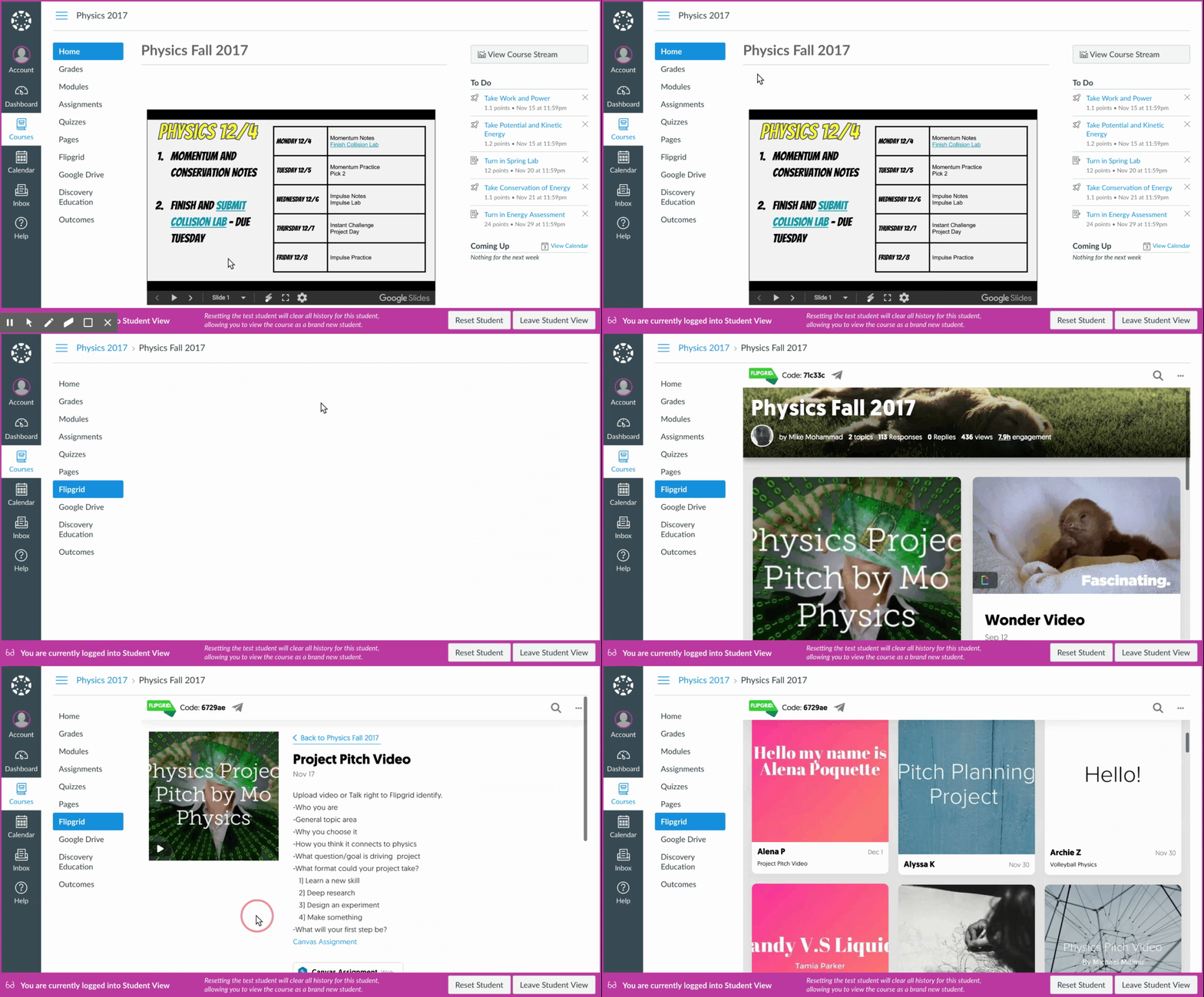
- It allows students to access class grids right from Canvas without having to share out links or codes.
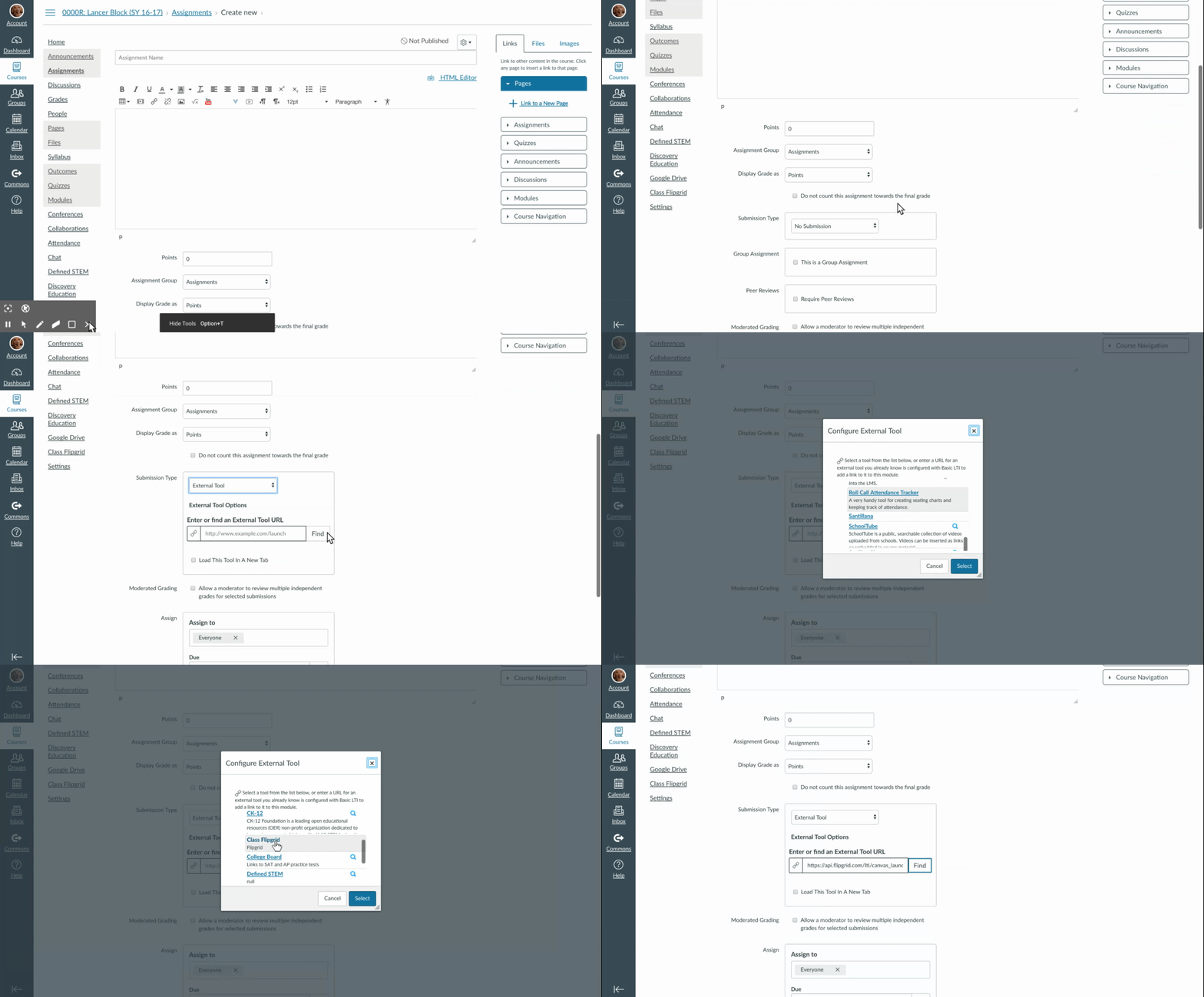
- It allows me to create a Flipgrid response as a Canvas assignment.
- Students can turn in assignments as a Flipgrid response.
- With Speedgrader in Canvas, I can quickly see who has and hasn’t responded to a Flipgrid just like any other assignment submitted to Canvas.
So, I wanted to share out how to easily add it to your canvas course. If the GIFs are too small for you, I created a quick video below.
From Setting in Canvas, go to the Apps tab.

This sets up a specific Flipgrid for your course. The Flipgrid can then be accessed via the side navigation by you or students.
You can easily create assignment submissions to be Flipgrid responses during assignment creation.
Students can easily submit their assignment directly to Flipgrid from the assignment page.

Here’s the video compilation of the GIFs.
It’s a great integration and I can’t wait to play with it more.
Comments
Post a Comment